How to Pay with Crypto in Real Stores: Use It Like a Bank Card
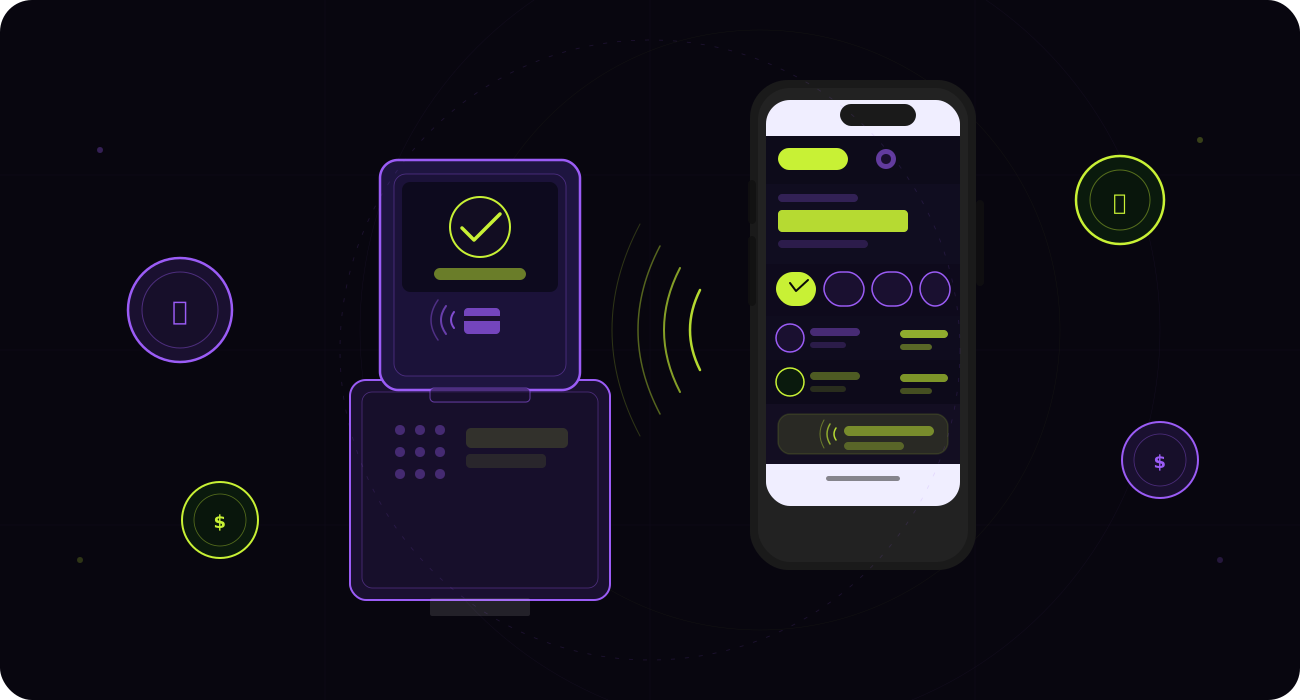
Crypto is no longer just an asset you hold and watch. In 2026, you can pay with crypto in real stores the same way you'd tap a bank card — instantly, without friction, without anyone at the register knowing the difference. The infrastructure is here. Here's how it works.
Option 1: Crypto Debit Cards (Easiest)
The most practical way to spend crypto in real life today. Visa and Mastercard partner with dozens of crypto platforms — Binance, Crypto.com, Revolut. Your crypto balance funds the card, and at the moment of payment the required amount is automatically converted to fiat. For the store it's a regular card transaction — they don't even know you paid with crypto.
How crypto cards work
When you tap to pay, the card converts your crypto to fiat in real time at the current exchange rate. Most cards support multiple assets — Bitcoin, ETH, USDT, USDC — and let you choose which balance to spend from. Some offer cashback rewards paid out in crypto.
Crypto cards with Apple Pay and Google Pay
The best crypto card in 2026 is one you never have to take out of your pocket. Adding your crypto card to Apple Pay or Google Pay means you can pay with crypto at any contactless terminal — supermarkets, cafes, transport — with a tap of your phone. This is the closest experience to using crypto like a bank card in everyday life.
Virtual vs physical crypto cards
A virtual crypto card is available instantly after sign-up and works for online purchases and mobile wallets. A physical card covers in-store payments where tap-to-pay isn't available. Most platforms, including Plumex, offer both.
Option 2: Direct Crypto Payment at the Register
Some merchants accept crypto directly — Bitcoin, USDT, USDC — without any intermediary. BitPay, Coinbase Commerce, and similar processors let stores accept crypto without technical knowledge. For the buyer it looks like a QR code at the register or on a website.
Lightning Network for Bitcoin payments
Bitcoin payment in stores became genuinely practical with the Lightning Network — near-instant transactions with fees under a cent. Merchants using Lightning-compatible POS terminals can accept Bitcoin as easily as a card payment.
Solana Pay and other instant networks
Solana Pay offers a similar experience for USDT and USDC — sub-second settlement with minimal fees. As merchant adoption grows across Eastern Europe and the UAE, these networks are becoming a real alternative to card infrastructure.
USDT and USDC at merchants
USDT payment and USDC payment are increasingly supported by online merchants — tech companies, VPN services, hosting providers, and marketplaces. In physical stores it remains less common, but in El Salvador, the UAE, and Switzerland direct crypto payments are now part of everyday commerce.
Option 3: Convert to Fiat Instantly
If a merchant doesn't accept crypto and you don't have a crypto card, you can convert crypto to fiat instantly through an exchange or crypto ATM, then spend the fiat. This takes a few minutes and is best suited for larger, planned purchases rather than spontaneous spending. Most major exchanges offer instant conversion with a 1–2% fee.
Option 4: Crypto Gift Cards
One of the most underrated ways to spend crypto where direct payments aren't supported. Services like Bitrefill let you buy gift cards for Amazon, Walmart, Google Play, and hundreds of other retailers — paid for with Bitcoin, USDT, or USDC. No KYC required for most purchases, instant delivery, and access to retailers that don't natively accept crypto.
Where Can You Actually Spend Crypto in 2026?
Stores that accept crypto include Microsoft, Newegg, ExpressVPN, and thousands of Shopify-powered online stores. Who accepts Bitcoin directly? More merchants than most people realize — but the list is still dominated by tech and online services. For physical retail, a crypto debit card remains the most universal solution: if the store accepts Visa or Mastercard, you can pay with crypto.
Crypto Card vs Direct Payment: Which Is Better?
Direct crypto payment is ideal for online services and merchants who explicitly support it — lower fees, no intermediary, full transparency on the blockchain. A crypto card wins for everything else: universal acceptance, no merchant setup required, and seamless integration with Apple Pay and Google Pay. For most people in 2026, the card is the default — direct payments are the power-user option.
Risks and Things to Watch Out For
Taxes when spending crypto
In many countries, every crypto transaction is a taxable event — spending crypto triggers capital gains tax on the difference between your purchase price and the current value. In Ukraine this is still being formalized at the legislative level, but it's worth tracking.
Fees
Crypto card fees typically range from 0–3% on conversion. Some cards charge monthly or annual fees. Always check the fee structure before choosing a card.
What to do if your crypto card is lost or stolen
Block the card immediately through the app — most platforms, including Plumex, allow this in seconds. Your funds stay on your balance and are accessible once you reissue the card. The crypto never leaves your wallet until a payment is made.
How Plumex Helps You Spend Crypto Safely
Spending crypto shouldn't feel different from using your bank card. Plumex makes it work like one — tap-to-pay, Apple Pay and Google Pay support, no manual conversion. Your crypto balance is already connected. Add your Plumex card to your Wallet and pay at any store that accepts contactless payments. No extra steps, no cash, no separate card to carry.
FAQ
Can I pay with crypto at Amazon or Walmart?
Not directly — but through crypto gift cards via services like Bitrefill, yes. It takes under a minute and works for most major retailers.
Do crypto cards charge fees?
Typically 0–3% on fiat conversion at the point of sale. Some cards offer zero-fee tiers or cashback in crypto. Always check the specific card's fee schedule.
Which crypto is best for payments?
USDT and USDC for stability — no volatility risk between purchase and payment. Bitcoin via Lightning for minimal fees. For crypto cards, any asset supported by your platform works.
Is paying with crypto legal in my country?
In most countries, yes — including Ukraine. Tax treatment varies significantly by jurisdiction. Always check local regulations before using crypto for regular purchases.
Do I pay tax when I spend crypto?
In many countries, yes. Spending crypto is treated as a disposal event, triggering capital gains tax. Ukraine's framework is still developing — follow updates from the relevant tax authority.
Can I use a crypto card without KYC?
Some platforms offer limited virtual cards without full verification, but with spending caps. Full-featured crypto debit cards typically require KYC to comply with financial regulations.
What happens if my crypto card is lost or stolen?
Block it immediately through the app. Funds remain on your crypto balance — they're not stored on the card itself. Reissue through your Plumex account and you're back up in minutes.
How fast are crypto payments compared to bank cards?
A crypto card payment is just as instant as a regular card — the conversion happens in the background. Direct Lightning or Solana Pay transactions settle in seconds, often faster than traditional card authorization.
Final Thoughts
Paying with crypto in real stores is no longer a workaround — it's a seamless option available to anyone with a crypto card and a phone. The gap between crypto and cash has closed. Whether you're tapping to pay at a supermarket or buying online with USDC, the tools are already in your hands.